
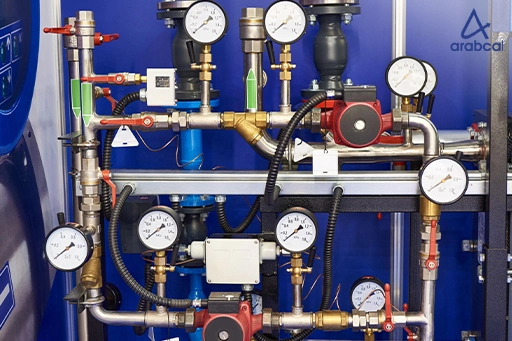
Control Valve Testing and Overhauling: When Should Industrial Valves Be Serviced?
Control valves are among the most critical components in industrial process control systems. They regulate the flow, pressure, temperature, and level of liquids, gases, and steam, ensuring that industrial operations run safely and efficiently. From oil and gas facilities to power plants, petrochemical complexes, water treatment plants, pharmaceutical manufacturing units, and food processing industries, control valves play a vital role in maintaining process stability.
Over time, however, continuous operation, harsh environmental conditions, high temperatures, pressure fluctuations, and exposure to corrosive media can affect valve performance. This is why regular control valve testing and overhauling are essential for maintaining operational reliability, reducing downtime, improving safety, and extending equipment lifespan.
This comprehensive guide explores everything you need to know about control valve testing and overhauling, including testing procedures, overhaul processes, maintenance schedules, common valve issues, industry applications, and best practices.
Control valve testing and overhauling are essential maintenance activities that help ensure the reliability, efficiency, and safety of industrial process control systems. While both processes contribute to maintaining valve performance, they serve different purposes within a maintenance program.
What Are Control Valves and Why Are They Important?
A control valve is a mechanical device used to regulate process variables such as flow rate, pressure, temperature, and liquid level within a system. It receives signals from a control system and adjusts its opening position to maintain process stability.
A typical control valve assembly consists of:
- Valve body
- Valve stem
- Plug
- Seat ring
- Actuator
- Positioner
- Packing assembly
- Seals and gaskets
These components work together to provide accurate process control and ensure efficient plant operations.
Control valves are commonly used in:
- Oil and gas facilities
- Petrochemical plants
- Refineries
- Power generation plants
- Water treatment facilities
- Pharmaceutical manufacturing facilities
- Food and beverage processing plants
- Marine and offshore installations
Even a minor control valve malfunction can affect production efficiency, increase operational costs, and create safety concerns.
Why Are Control Valve Testing and Overhauling Important?
Control valves are often installed in critical applications where process accuracy and reliability are essential. Any degradation in valve performance can directly impact plant operations.
Regular testing and overhauling help organizations:
- Improve Process Reliability: Properly functioning valves maintain stable operating conditions and consistent process performance.
- Reduce Unplanned Downtime: Early identification of valve issues prevents unexpected failures and costly production interruptions.
- Enhance Safety: Control valves frequently handle hazardous fluids, high pressures, and extreme temperatures. Routine maintenance helps reduce operational risks.
- Extend Equipment Life: Replacing worn components and restoring valve condition can significantly increase service life.
- Reduce Maintenance Costs: Preventive maintenance is generally more cost-effective than emergency repairs or valve replacement.
- Support Regulatory Compliance: Many industries require periodic testing and maintenance of control valves to comply with operational and safety standards.
Control Valve Testing: Purpose, Methods, and Benefits
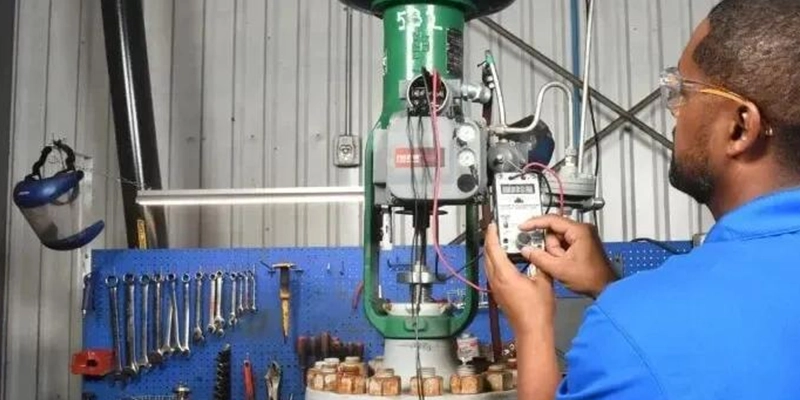
What Is Control Valve Testing?
Control valve testing is the process of evaluating the operational condition and performance of a valve to ensure it functions according to design specifications.
Testing helps maintenance teams identify developing issues before they result in equipment failure or process disruptions.
Regular testing can reveal:
- Internal leakage
- Seat damage
- Calibration drift
- Actuator problems
- Positioner malfunctions
- Travel restrictions
- Response delays
Control valve testing forms a critical part of preventive maintenance programs across industrial facilities.
Common Control Valve Testing Procedures
Visual Inspection
The first step involves inspecting the valve for visible signs of:
- Corrosion
- Physical damage
- Leakage
- Loose fittings
- Excessive wear
Visual inspections often reveal early warning signs of potential failures.
Functional Testing
Functional testing verifies that the valve responds correctly to control signals and performs its intended function.
This test confirms:
- Proper valve movement
- Correct actuator operation
- Stable control response
Stroke Testing
Stroke testing checks whether the valve can move smoothly through its full operating range.
This test helps identify:
- Valve sticking
- Restricted movement
- Actuator issues
- Mechanical wear
Seat Leakage Testing
Seat leakage testing evaluates the valve’s shut-off capability.
Excessive leakage may indicate:
- Damaged seats
- Worn plugs
- Seal deterioration
Pressure Testing
Pressure testing confirms that the valve can safely withstand operating pressures without leakage or structural failure.
Calibration Verification
Calibration testing ensures that the valve accurately responds to control system commands.
Calibration checks help maintain:
- Process accuracy
- System efficiency
- Reliable performance
Positioner Testing
Positioners are tested to verify:
- Accuracy
- Repeatability
- Response speed
- Signal integrity
Benefits of Regular Control Valve Testing
Routine testing provides several operational advantages:
- Early fault detection
- Improved process efficiency
- Reduced downtime
- Enhanced safety
- Improved product quality
- Lower maintenance costs
- Extended equipment life
Most importantly, testing helps organizations identify issues before they develop into major failures.
Control Valve Overhauling: Process, Components, and Benefits
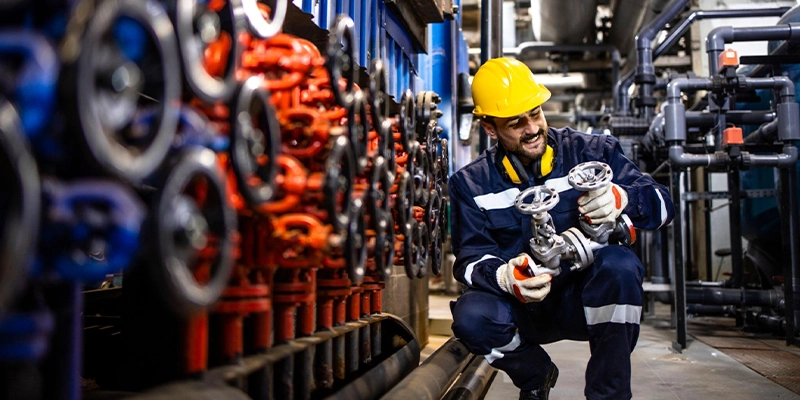
What Is Control Valve Overhauling?
Control valve overhauling is a comprehensive maintenance procedure that involves dismantling, inspecting, repairing, restoring, and reassembling a control valve to return it to optimal operating condition.
Unlike testing, which evaluates performance, overhauling focuses on correcting identified issues and restoring valve reliability.
Control valve overhauling is typically performed:
- During scheduled maintenance shutdowns
- After identifying significant performance issues
- Following prolonged service periods
- When valves fail operational testing
A properly executed overhaul can significantly improve valve performance and extend service life.
What Is Included in a Control Valve Overhaul?
Valve Isolation and Removal
The valve is safely isolated from the process system and removed for maintenance. Safety procedures are followed to ensure safe handling and inspection.
Complete Disassembly
The valve is fully dismantled to allow detailed inspection of internal components.
This process provides access to:
- Valve body
- Stem
- Plug
- Seat
- Packing
- Actuator components
Cleaning and Inspection
All parts are thoroughly cleaned to remove:
- Deposits
- Corrosion products
- Process contaminants
- Scale buildup
Each component is then inspected for wear, damage, erosion, and mechanical defects.
Repair and Restoration
Damaged surfaces may be repaired using appropriate refurbishment techniques.
Repairs can include:
- Machining
- Lapping
- Polishing
- Surface restoration
Replacement of Worn Components
Common replacement parts include:
- Seals
- O-rings
- Gaskets
- Packing materials
- Springs
- Bearings
- Seat rings
Replacing worn components restores performance and reliability.
Reassembly
The valve is reassembled according to manufacturer specifications and industry best practices.
Proper assembly is essential for maintaining operational integrity.
Final Testing and Validation
Following reassembly, the valve undergoes comprehensive testing to verify performance.
Typical tests include:
- Leak testing
- Pressure testing
- Stroke testing
- Functional testing
- Calibration verification
Only after successful testing is the valve returned to service.
Benefits of Control Valve Overhauling
Regular valve overhauling offers several important benefits:
- Restores Valve Performance: Overhauling helps recover the valve’s efficiency, functionality, and overall operating performance.
- Extends Service Life: Replacing worn components helps maximize equipment lifespan.
- Improves Reliability: Overhauled valves operate more consistently and accurately.
- Reduces Downtime: Preventive overhauls help avoid unexpected failures.
- Lowers Lifecycle Costs: Extending equipment life reduces replacement expenses.
- Improves Safety: Properly maintained valves reduce operational risks and improve plant safety.
Control Valve Testing vs Control Valve Overhauling
Although closely related, testing and overhauling serve different maintenance objectives.
| Control Valve Testing | Control Valve Overhauling |
|---|---|
| Evaluates valve condition | Restores valve condition |
| Identifies faults | Corrects faults |
| Preventive maintenance activity | Corrective maintenance activity |
| Usually non-invasive | Requires complete disassembly |
| Verifies performance | Improves performance |
| Performed more frequently | Performed periodically |
Common Signs a Control Valve Requires Testing or Overhauling
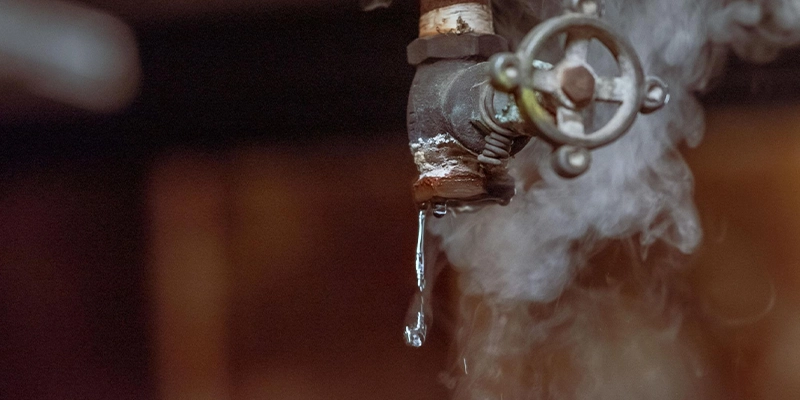
Control valves should be inspected promptly whenever any of the following signs are detected:
- Internal leakage
- External leakage
- Unstable process control
- Excessive vibration
- Unusual operating noise
- Slow response time
- Corrosion
- Erosion damage
- Valve sticking
- Increased energy consumption
- Calibration drift
- Inconsistent actuator performance
Ignoring these warning signs can lead to costly failures and production losses.
How Often Should Control Valves Be Tested and Overhauled?
The required maintenance frequency depends on operating conditions, process criticality, and manufacturer recommendations.
Recommended Maintenance Schedule
| Activity | Recommended Frequency |
|---|---|
| Visual Inspection | Monthly |
| Functional Testing | Every 3–6 Months |
| Stroke Testing | Every 6–12 Months |
| Calibration Verification | Every 6–12 Months |
| Seat Leakage Testing | Annually |
| Preventive Maintenance | Annually |
| Complete Overhaul | Every 3–5 Years |
Industries That Require Control Valve Testing and Overhauling
- Oil and Gas: Control valves regulate critical production and processing operations.
- Petrochemical Plants: Reliable valve performance ensures safe and efficient chemical processing.
- Power Generation Facilities: Valves control steam, fuel, cooling water, and other essential systems.
- Water and Wastewater Treatment: Control valves help regulate treatment processes and distribution systems.
- Pharmaceutical Manufacturing: Accurate process control supports product quality and regulatory compliance.
- Food and Beverage Processing: Reliable valve operation contributes to efficient and hygienic production.
- Marine and Offshore Industries: Valves operate under demanding conditions and require regular maintenance to ensure reliability.
Best Practices for Control Valve Maintenance
Organizations can improve valve performance by implementing the following best practices:
- Establish preventive maintenance schedules.
- Conduct routine inspections.
- Perform regular calibration verification.
- Monitor valve performance trends.
- Maintain maintenance records.
- Replace worn components proactively.
- Follow manufacturer recommendations.
- Use qualified technicians for testing and overhauling.
- Perform periodic performance evaluations.
- Schedule major overhauls before significant wear occurs.
Benefits of Professional Control Valve Testing and Overhauling Services
Professional service providers offer specialized expertise, testing equipment, and repair capabilities that help organizations maintain reliable valve performance.
Benefits include:
- Accurate diagnostics
- Certified testing procedures
- Reduced downtime
- Improved reliability
- Extended valve lifespan
- Enhanced operational safety
- Regulatory compliance support
- Long-term cost savings
For critical industrial operations, professional testing and overhauling services help ensure that control valves operate reliably and efficiently over the long term.
Why Choose Arabcal LLC for Control Valve Testing and Overhauling?
Maintaining reliable control valve operation depends on precise testing, effective maintenance practices, and adherence to established industry standards. Arabcal LLC offers comprehensive control valve testing and overhauling services to help industries maintain operational efficiency, safety, and equipment reliability.
Our state-of-the-art automated pneumatic and hydrostatic testing facility enables precise evaluation and verification of control and shutoff valve performance in compliance with applicable API and ASME standards. Through systematic testing and inspection procedures, we help identify performance issues, verify valve integrity, and support preventive maintenance programs across a wide range of industrial applications.
We provide testing and overhauling services for various types of valves, including:
- Gate Valves
- Check Valves
- Ball Valves
- Butterfly Valves
- Globe Valves
- Needle Valves
Our experienced team supports industries such as oil and gas, petrochemical, power generation, water treatment, manufacturing, and process industries, ensuring that critical valve systems continue to operate safely and efficiently.
Whether you require routine testing, performance verification, maintenance support, or complete valve overhauling, Arabcal LLC is committed to delivering reliable solutions that help reduce downtime, improve process reliability, and extend equipment service life.
Need Support for a Different Valve Type or Instrument?
Industrial facilities often operate a wide variety of valves and process instruments, each with unique testing, calibration, and maintenance requirements. At Arabcal LLC, our technical team supports a broad range of industrial equipment across multiple sectors, helping organizations maintain compliance, improve reliability, and optimize operational performance. Whether your requirement involves standard control valves, shutoff valves, or other process instrumentation, our specialists can evaluate your needs and recommend the most appropriate testing or maintenance solution.
If you have specific valve testing, inspection, calibration, or overhauling requirements, simply share your equipment details and operating specifications with our team at cs@arabcal.com. We will review your requirements and provide guidance on the most suitable service approach for your application.
Frequently Asked Questions
-
What is control valve testing and overhauling?
-
Why is control valve testing important?
Testing helps identify leaks, calibration issues, mechanical wear, and performance problems before they cause failures.
-
What is included in a control valve overhaul?
A typical overhaul includes disassembly, cleaning, inspection, repair, component replacement, reassembly, and final performance testing.
-
How often should control valves be tested?
Most industrial facilities perform testing every 3–12 months depending on operating conditions and criticality.
-
How often should control valves be overhauled?
Many control valves undergo complete overhauling every 3–5 years, although intervals may vary based on service conditions.
-
What are the signs that a control valve needs overhauling?
Common signs include leakage, sticking, vibration, corrosion, slow response, calibration drift, and unstable process control.
-
What is the difference between testing and overhauling?
Testing evaluates valve performance, while overhauling restores valve condition through repair and replacement of worn components.
-
Which industries require control valve testing and overhauling?
Oil and gas, petrochemical, power generation, water treatment, pharmaceutical, food processing, marine, and manufacturing industries commonly require these services.
-
Can control valve overhauling extend equipment lifespan?
Yes. Regular overhauling helps restore valve performance, prevent major failures, and significantly extend equipment life.
-
Why should control valve maintenance be performed by qualified professionals?
Qualified technicians use specialized tools, testing equipment, and industry best practices to ensure safe and reliable valve operation.