
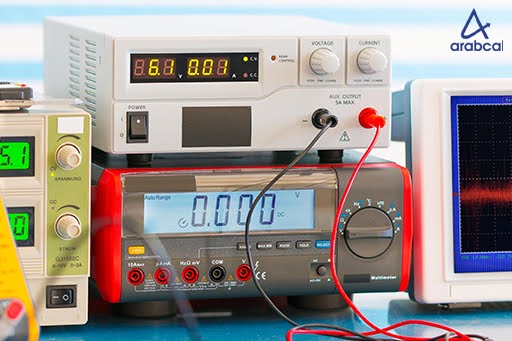
How Regular Calibration Extends the Lifespan of Biomedical Equipment
In the healthcare industry, biomedical equipment is the backbone of effective diagnosis, treatment, and patient care. From diagnostic devices like MRI machines and blood pressure monitors to therapeutic equipment such as ventilators and infusion pumps, these instruments need to function flawlessly. A single deviation in their performance can result in inaccurate readings, misdiagnoses, or even compromised patient safety.
Regular calibration is one of the most effective ways to ensure the accuracy, reliability, and longevity of biomedical equipment. At Arabcal LLC, we emphasize the importance of calibration not just as a regulatory requirement but as a proactive step in optimizing the performance and lifespan of critical healthcare devices.
Understanding Calibration and Its Role in Biomedical Equipment Maintenance
Calibration is the process of comparing the performance of a device against a standard reference to ensure its measurements and outputs are accurate. In the context of biomedical equipment, calibration ensures that devices deliver precise readings and perform within acceptable limits. Unlike other forms of maintenance, calibration directly addresses the accuracy of the equipment. Over time, even the most advanced biomedical devices are prone to “drift,” where their measurements deviate from the intended standard. This can be caused by factors such as:- Regular wear and tear.
- Exposure to varying environmental conditions like humidity or temperature.
- Extended usage without maintenance.
How Calibration Extends the Lifespan of Biomedical Equipment?
Preserving Measurement Accuracy
Biomedical devices are designed to provide precise data that doctors and healthcare professionals rely on for critical decisions. However, as equipment ages, its accuracy can decline, leading to erroneous readings. Regular calibration ensures these deviations are corrected, maintaining the device’s accuracy throughout its lifespan.Reducing Wear and Tear on Components
Calibration not only focuses on the performance of the device but also involves a thorough check of its internal components. Minor misalignments or discrepancies that could worsen over time are identified and addressed. This reduces the stress on components, preventing premature deterioration and extending the overall life of the device.Enhancing Operational Efficiency
Devices that are regularly calibrated operate more efficiently. Miscalibrated equipment often requires more power to function or struggles to deliver results promptly, which can strain internal systems. Calibration restores their efficiency, ensuring smooth operations and minimizing the risk of mechanical failures.Preventing Costly Repairs or Replacements
One of the most significant benefits of calibration is its cost-effectiveness. Detecting and addressing minor issues during calibration prevents major breakdowns that could lead to expensive repairs or even the need for replacement. This proactive approach saves healthcare facilities both time and money while keeping devices in service for longer periods.Ensuring Compliance with Regulatory Standards
In a regulated environment like the UAE, compliance with healthcare standards is critical. Regulatory bodies often require biomedical equipment to meet specific performance benchmarks. Regular calibration ensures these standards are met, avoiding penalties or operational disruptions due to non-compliance.Promoting Patient Safety
Ultimately, the goal of calibration is to protect patients. Miscalibrated equipment can result in incorrect readings, which might lead to improper diagnoses or treatments. Regular calibration minimizes this risk, ensuring that every reading and result is accurate and reliable.Building Confidence Among Healthcare Teams
Accurate and well-maintained biomedical equipment inspires confidence among healthcare professionals. When doctors, nurses, and technicians know they can rely on their tools, it improves their performance and the quality of care they provide. At Arabcal LLC, we are dedicated to providing high-quality calibration services tailored to the needs of healthcare providers in the UAE. Our team of experienced technicians uses advanced tools and adheres to international standards to ensure your biomedical equipment delivers optimal performance.Why Choose Arabcal LLC for Biomedical Equipment Calibration?
Arabcal LLC is a trusted name in calibration services across the UAE. We bring a wealth of experience and expertise to the table, ensuring that your biomedical equipment meets the highest standards of accuracy and reliability. Our services include:- Comprehensive calibration solutions for a wide range of biomedical devices.
- Detailed reports and documentation to ensure compliance with regulatory requirements.
- Proactive support to identify and address potential issues before they escalate.
By partnering with Arabcal LLC, you can rest assured that your equipment will not only perform at its best but also enjoy an extended operational lifespan.
Calibration is more than just a routine maintenance task it’s a vital investment in the long-term functionality and reliability of biomedical equipment . By scheduling regular calibration services, healthcare providers can enhance equipment performance, reduce costs, ensure compliance, and most importantly, safeguard patient safety.
At Arabcal LLC, we are dedicated to providing high-quality biomedical equipment calibration services tailored to the needs of healthcare providers in the UAE. Our team of experienced technicians uses advanced tools and adheres to international standards to ensure your biomedical equipment delivers optimal performance. To learn more about how we can assist you or to schedule a service, get in touch with us!.
FAQS
- Is calibration different from maintenance?
- Why is regular calibration necessary for biomedical equipment?
Regular calibration ensures accurate readings, enhances equipment performance, minimizes risks of malfunction, and extends the device’s operational lifespan.
- How often should biomedical equipment be calibrated?
The calibration frequency depends on the equipment type, manufacturer recommendations, and usage intensity. Most devices require annual or semi-annual calibration.
- If I think my equipment may not be properly calibrated, what should I do?
Stop using your equipment right away and seek help from the manufacturer or the biomedical engineering department at your facility if you think it is not calibrated correctly or is giving you erroneous readings. To avoid harming patients, do not use equipment that is not calibrated.
- How can I know when my equipment needs to be calibrated?
You can find out when equipment needs to be calibrated by keeping track of calibration schedules and thorough records of previous calibrations. Furthermore, a lot of equipment come with built-in notifications or reminders that let you know when calibration is necessary.