
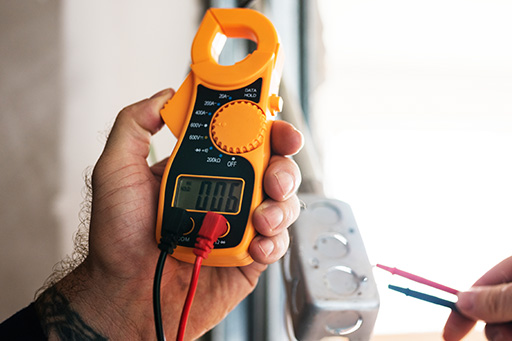
Why Choosing an Authorized HIOKI Calibration for Electrical Testing Equipment
Electrical testing equipment plays a critical role in maintaining safety, accuracy, and operational efficiency across industrial facilities, laboratories, power systems, and manufacturing environments. Instruments such as clamp meters, digital multimeters, power analyzers, sensors, data loggers, LCR meters, and resistance meters are widely used to measure electrical parameters and support important technical decisions. However, even high-quality instruments require regular calibration to maintain reliable measurement performance.
HIOKI calibration is important for ensuring that electrical measuring instruments continue to deliver dependable results over time. Regular calibration helps identify measurement deviations, supports quality management procedures, and reduces the risk of errors caused by inaccurate readings. Arabcal provides authorization for the calibration and service of HIOKI equipment, covering clamp meters and sensors, power meters and analyzers, data acquisition systems and loggers, LCR and resistance meters, safety testers, and digital multimeters (DMMs). For organizations that depend on precise electrical measurements, maintaining a suitable calibration schedule is an essential part of equipment management.
What Is Electrical Testing Equipment Calibration?
Electrical testing equipment calibration is the process of comparing an instrument’s measurements against appropriate reference standards under defined conditions. This comparison helps determine whether the instrument is measuring within its specified accuracy limits.
Calibration may identify deviations caused by component ageing, environmental conditions, frequent use, mechanical stress, or other operating factors. Depending on the results, further adjustment or repair may be necessary. Calibration itself does not automatically mean that an instrument is adjusted or repaired; these are separate activities that may be recommended when required.
For HIOKI instruments, calibration helps users assess measurement performance against the manufacturer’s specifications and applicable requirements. Maintaining documented calibration records also helps organizations demonstrate that their measurement equipment is being managed systematically.
Why Is Regular HIOKI Calibration Important?
Maintains Measurement Accuracy
Accurate measurements are essential for electrical troubleshooting, equipment testing, preventive maintenance, and quality control. Even a small deviation in a measurement can affect technical decisions, particularly when working with sensitive electronic components or electrical systems that require precise monitoring.
Regular HIOKI calibration helps identify whether instruments remain within their specified measurement tolerances. This allows maintenance teams and engineers to make informed decisions based on dependable readings rather than relying on potentially inaccurate measurements.
Supports Electrical Safety
Electrical testing instruments are frequently used to assess voltage, current, resistance, and other electrical parameters. Reliable measurements are particularly important when technicians inspect electrical installations, investigate faults, or carry out maintenance activities.
Properly calibrated instruments help reduce uncertainty in measurement results. However, calibration alone does not guarantee electrical safety. Instruments must also be suitable for the intended application, correctly rated, maintained in good condition, and used according to the manufacturer’s instructions and established safety procedures.
Improves Equipment Reliability
HIOKI instruments are used in a wide range of applications, including industrial maintenance, electrical installation testing, power quality assessment, and electronic component evaluation. Regular calibration supports confidence in their measurement performance and helps identify potential deviations before they affect important testing activities.
When combined with routine inspections and appropriate servicing, calibration contributes to a more reliable equipment management process. It can also help organizations identify instruments that require further investigation, adjustment, or repair.
Supports Quality Management and Audit Requirements
Many industrial organizations and testing facilities maintain documented procedures for managing measurement equipment. These procedures may include calibration schedules, calibration certificates, equipment identification, acceptance criteria, and records of corrective action.
Electrical testing equipment calibration helps organizations maintain evidence of measurement control and supports applicable quality management requirements. Depending on the industry, contract, and regulatory framework, traceability to recognized measurement standards may also be necessary.
Organizations should determine their specific calibration and documentation requirements based on their applications and applicable standards.
Helps Reduce Measurement-Related Costs
Incorrect measurements can lead to unnecessary troubleshooting, repeated testing, avoidable component replacement, and incorrect maintenance decisions. In manufacturing and industrial environments, these issues can contribute to delays and additional operating costs.
A planned calibration programme helps identify measurement deviations and supports timely decisions about equipment adjustment, repair, or replacement. Although calibration involves a service cost, appropriate scheduling can help reduce the risk of expenses associated with unreliable measurement results.
HIOKI Instruments That Require Calibration
Different electrical measurement instruments perform different functions, and their calibration requirements depend on their design, usage, and intended applications.
Clamp Meters and Sensors
Clamp meters measure electrical current without requiring direct contact with the conductor in many common applications. Sensors are used to monitor specific electrical or physical parameters in industrial systems.
Regular calibration helps assess measurement accuracy and identify deviations that may affect troubleshooting, monitoring, and maintenance activities.
Power Meters and Power Analyzers
Power meters and power analyzers measure electrical parameters such as voltage, current, power, energy, and power quality characteristics, depending on the instrument model.
Calibration is important when these measurements support energy analysis, equipment performance evaluation, electrical system troubleshooting, or technical reporting.
Data Acquisition Systems and Data Loggers
Data acquisition systems and data loggers collect measurements over time, allowing engineers to monitor changes and analyze operating conditions.
Calibration helps verify the measurement channels and functions covered by the applicable calibration procedure. Where sensors are connected to the system, their individual calibration requirements should also be considered.
LCR Meters and Resistance Meters
LCR meters measure inductance, capacitance, and resistance, while resistance meters are used to evaluate resistance values in electrical and electronic applications.
Accurate readings are particularly important in component testing, electronics manufacturing, research, and quality inspection. Regular calibration helps verify instrument performance across the measurement functions and ranges included in the calibration scope.
Safety Testers and Digital Multimeters
Electrical safety testers and digital multimeters are used for electrical measurements and specific testing functions, depending on their design.
Calibration supports confidence in their measurement results, while appropriate functional checks, inspection, and adherence to safety requirements remain essential for reliable operation.
How Often Should HIOKI Equipment Be Calibrated?
There is no fixed calibration schedule for all HIOKI instruments, as the appropriate interval depends on usage, operating conditions, and accuracy requirements. The recommended interval depends on several factors, including the manufacturer’s guidance, frequency of use, operating environment, measurement accuracy requirements, previous calibration results, and the consequences of measurement errors.
Instruments used frequently in demanding industrial environments may require closer monitoring than equipment used occasionally under controlled conditions. Organizations should also consider whether their customers, quality management systems, contracts, or applicable regulations specify particular calibration intervals.
A documented calibration schedule helps ensure that instruments are reviewed at appropriate intervals. Calibration history can be used to evaluate measurement stability and determine whether an existing interval remains suitable.
Why Choose an Authorized HIOKI Calibration and Service Provider?
Selecting an appropriately authorized calibration and service provider is an important consideration when maintaining specialized measurement instruments. Users should verify that the provider’s authorization covers the specific instrument category, model, and service required.
Arabcal provides authorized calibration and servicing for specified HIOKI equipment categories, including clamp meters and sensors, power meters and analyzers, data acquisition systems and loggers, LCR and resistance meters, safety testers, and digital multimeters.
Working with a provider whose authorization covers the required instrument and service can help organizations obtain support aligned with the applicable service procedures. Before arranging calibration, customers should confirm the scope of service, applicable measurement ranges, documentation provided, and whether adjustment or repair is available when necessary.
Best Practices for Maintaining HIOKI Testing Equipment
Organizations can support reliable measurement performance by combining regular calibration with appropriate equipment care.
Keep instruments clean and store them under the environmental conditions specified by the manufacturer. Inspect test leads, probes, connectors, cables, and accessories for visible damage before use. Avoid exposing instruments to conditions outside their rated operating limits, and follow the manufacturer’s handling and maintenance instructions.
Maintain calibration certificates and equipment records, including calibration dates, results, due dates, and any corrective actions. If an instrument is dropped, overloaded, exposed to unusual conditions, or suspected of producing incorrect readings, arrange an appropriate evaluation rather than waiting for the next scheduled calibration.
These practices help establish a consistent approach to measurement equipment management.
Conclusion
Regular calibration is an essential part of maintaining the accuracy and reliability of electrical testing equipment. For organizations using HIOKI clamp meters, sensors, power analyzers, data loggers, LCR meters, resistance meters, safety testers, and digital multimeters, a suitable calibration programme helps identify measurement deviations, support quality management, and improve confidence in testing results.
By combining scheduled calibration, proper equipment handling, documented records, and timely servicing, businesses can manage their measurement instruments more effectively.
Arabcal supports the calibration and servicing of specified HIOKI electrical testing instruments through its authorized service capabilities. Organizations can contact Arabcal to confirm the applicable service scope and discuss their HIOKI calibration requirements.
Frequently Asked Questions
-
Why is regular HIOKI calibration important?
-
Which HIOKI instruments can be calibrated by Arabcal?
-
How often should HIOKI electrical testing equipment be calibrated?
-
What are the signs that electrical testing equipment needs calibration?
-
What is the difference between calibration and servicing?
-
How does electrical testing equipment calibration support quality control?
-
Why choose an authorized HIOKI calibration and service provider?
-
How can I arrange HIOKI calibration services through Arabcal?
-
What are the benefits of authorized HIOKI calibration services?