
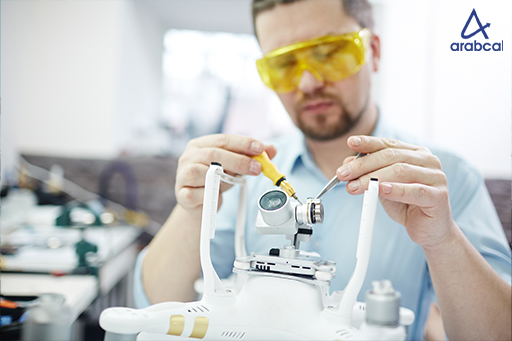
How Smart Calibration Protects Your Profits and Reputation
In an era where industries run on data, measurements, and precision, even a tiny inaccuracy can escalate into massive financial losses, regulatory penalties, or irreparable damage to brand reputation. For companies operating in manufacturing, oil & gas, healthcare, or any domain demanding strict quality controls, investing in proper calibration isn’t just a compliance checkbox. It’s one of the smartest business decisions you can make. That’s where Arabcal LLC steps in as your trusted partner.
How Accurate Calibration Saves Your Business Millions
Ensuring Accuracy and Consistency
Measuring instruments, whether pressure gauges, temperature sensors, flow meters, dimensional tools, or electrical testers, are the backbone of industrial processes. Over time, wear and tear, environmental conditions, or simply usage drift can cause these instruments to deviate from their original settings. Calibration is the process of comparing an instrument’s readings against recognized standards. When calibrated correctly, instruments are realigned to ensure their measurements are accurate, consistent, and reliableWithout calibration, small measurement errors accumulate. A seemingly trivial deviation can result in products that don’t meet quality specs, causing defects, rejects, or, worse, safety issues.
Reducing Waste, Rework, and Unnecessary Costs
Inaccurate measurements don’t just threaten product quality; they eat away at resources. Raw materials may be wasted, energy misused, batches spoiled or scrapped. Then there’s rework, additional labor hours, wasted time, all contributing to inflated production costs.
Calibration helps optimize resource utilisation. By ensuring measurement accuracy from the start, businesses can avoid miscalculations, reduce waste, and improve yield, making every raw material and every process count.
Avoiding Downtime, Equipment Failures & Maintenance Surprises
Uncalibrated or improperly calibrated instruments can malfunction, drift unpredictably, or even cause equipment breakdowns. Unexpected failures mean unplanned downtime, disrupting production, delaying deliveries, and costing money in lost output.
By regularly calibrating equipment, businesses reduce the risk of failures, identify potential issues early, and extend the life of critical instruments. It’s preventative maintenance at its best, ensuring smooth operations and avoiding costly surprises.
Regulatory Compliance, Risk Mitigation, and Safety Assurance
In many sectors, from pharmaceuticals to oil & gas, aerospace to food processing, regulatory standards require traceability, documented calibration records, and adherence to international norms. Calibration is not optional; it’s mandatory.
Failure to comply can lead to penalties, legal liabilities, product recalls, customer dissatisfaction, and reputational damage. In safety-critical environments (like medical devices, gas detection systems, or pressure-controlled tanks), inaccurate measurements can even lead to accidents or health hazards. Calibration helps companies meet compliance requirements, ensure safety, and operate with confidence.
Boosting Quality, Reliability, and Customer Trust
Consistent product quality builds brand trust. When customers, whether industrial clients or end-users, know that a manufacturer uses calibrated, certified equipment, they associate the products with reliability, compliance, and precision. This builds long-term trust, reduces complaints or returns, and enhances the company’s reputation.
Moreover, in competitive global markets, many contracts, especially in aerospace, oil & gas, or international supply chains, require certified calibration documentation. Companies that invest in calibration gain a serious competitive advantage.
Why Choose Arabcal LLC: More Than Just Calibration
 If you’re seeking a calibration partner, not all labs are created equal. Here’s how Arabcal LLC distinguishes itself:
- Accredited & Compliant: Arabcal LLC offers calibration services in accordance with internationally recognised standards (e.g. ISO 17025), ensuring that every calibration is traceable, auditable, and accepted globally.
- Broad Industry Coverage: PFrom pressure, temperature, flow, torque, and electrical instruments to RF, medical devices, and more, Arabcal handles a wide variety of equipment across diverse sectors like oil & gas, manufacturing, healthcare, aviation, and energy.
- Specialized Calibration Environments: Arabcal operates dedicated labs for different instrument categories, with climate-controlled environments to eliminate environmental factors (like temperature, humidity, vibration) that can skew results.
- On-Site & Offshore Services: For industries with remote operations, e.g. oil rigs, ships, or offshore plants, Arabcal offers on-site calibration, saving you downtime and avoiding logistic hassles.
- Transparent, Reliable Documentation: Each calibration comes with traceable documentation, audit-ready certificates, and adherence to global standards essential for compliance and quality assurance.
Real Impact: What Calibration Does for Your Bottom Line
Let’s translate the benefits into real business value:
- Lower production costs: By reducing scrap, rework, and waste.
- Faster time to market: Less rework, fewer quality issues, smoother compliance procedures.
- Reduced maintenance and replacement costs: Extend instrument lifespan, prevent breakdowns.
- Avoidance of penalties and recalls: Stay compliant with industry standards and regulations.
- Improved customer trust and repeat business: Deliver consistent, high-quality outputs.
- Competitive edge in bidding and contracts: Meet compliance requirements demanded by large clients and international partners.
Over time, these add up to substantial savings, often far more than the initial investment in calibration.
Common Calibration Mistakes & How to Avoid Them
Even companies that know calibration is essential sometimes go wrong. Typical mistakes include:
- Hiring uncertified or unqualified labs (cheap but unreliable) leads to questionable calibration results or rejected certificates.
- Ignoring environmental conditions (temperature, humidity, vibration) during calibration undermines the accuracy of results
- Treating all equipment types with a “one-size-fits-all” calibration approach, when each instrument type may require specialized handling or methodology.
- Relying solely on off-site labs causes long downtimes, especially problematic for remote or offshore operations.
By being aware of these pitfalls and choosing a reliable provider like Arabcal LLC, companies can ensure calibration delivers real value, not just paperwork.
Final Thoughts: Calibration as a Strategic Investment, Not a Cost
In the modern industrial world, measurement isn’t a trivial detail; it drives product quality, safety, compliance, and ultimately profitability. Ignoring calibration isn’t just “skipping maintenance” – it’s risking waste, defects, legal headaches, and major financial losses.
When you partner with a trusted, accredited calibration provider like Arabcal LLC, you’re not just paying for instrument verification; you’re safeguarding your processes, reputation, and bottom line. Think of calibration not as a recurring expense, but as an investment in precision, stability, and long-term growth.
If you haven’t yet implemented a structured calibration program, now is the time. Because when it comes to measurements, precision is not optional.FAQs
-
What exactly is calibration?
-
Which types of instruments need calibration?
-
Why is regular calibration necessary? Can’t we just calibrate once and forget?
-
What happens if we skip or neglect calibration?
-
How often should instruments be calibrated?
-
What does a calibration certificate mean, and why does it matter?
-
Does calibration improve safety, or is it just about quality and compliance?
-
What should we look for when choosing a calibration service provider?